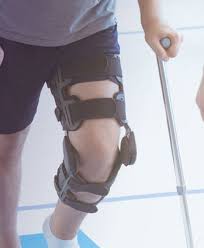
An unexpected accident can affect nearly every part of a person’s life. A routine journey, a visit to a business, or an ordinary day at work can suddenly lead to medical treatment and weeks of recovery. Along with physical discomfort, injured individuals may have to manage missed work, household responsibilities, and unfamiliar insurance procedures. Understanding the practical steps that follow an accident can help people make thoughtful decisions during a stressful period.
Recognizing the Full Impact of an Accident
The effects of an injury are not always limited to the damaged area of the body. Someone who suffers a shoulder injury may find it difficult to drive, lift objects, or complete work-related tasks. A person with a knee injury might struggle with stairs, shopping, and other everyday activities.
Some symptoms also develop gradually. Stiffness, headaches, swelling, and persistent discomfort may become noticeable after the initial incident. A medical professional can determine whether these symptoms require further examination or treatment.
An injury can affect emotional well-being too. People may feel frustrated when they cannot maintain their normal routine or worried about how long recovery will take. Recognizing these concerns early can help individuals arrange the right support from family members and healthcare professionals.
Understanding Where Personal Injuries Happen
Road accidents are a common source of personal injuries. Collisions involving cars, motorcycles, bicycles, and pedestrians can cause a range of physical harm. Driver distraction, unsafe speeds, poor visibility, and failure to follow traffic regulations may contribute to these incidents.
Property-related accidents can happen in shops, offices, apartment buildings, and other public or private spaces. Uneven flooring, loose handrails, poor lighting, and wet surfaces may create conditions that lead to falls. Whether a property owner or another party may be responsible depends on the specific circumstances and applicable legal duties.
Workplace incidents can involve machinery, falling materials, unsafe lifting practices, or insufficient protective measures. Employees should follow established safety procedures and report dangerous conditions through the appropriate workplace channels.
Getting Medical Help Without Unnecessary Delay
Medical attention should be the first priority after an accident. Even when a person believes an injury is minor, professional assessment can help identify problems that are not immediately obvious. Serious symptoms should always be treated as urgent.
Treatment varies according to the injury. Some people need medication and rest, while others require diagnostic procedures, surgery, or physical rehabilitation. Healthcare professionals can explain the available options and recommend a suitable treatment plan.
Keeping medical records organized is useful throughout this process. Hospital reports, appointment summaries, prescriptions, diagnostic results, and rehabilitation notes can help track treatment. Patients should also communicate changes in their symptoms and follow the instructions provided by their healthcare team.
Collecting Information That May Support a Claim
When it is safe to do so, preserving information about an accident can be helpful. A written account should include the date, approximate time, location, and a clear description of what happened. Recording details soon after the incident can make the account more accurate.
Photographs may help document the conditions surrounding an accident. Depending on the situation, these could include vehicle damage, unsafe walkways, broken equipment, or other relevant details. Witness names and contact information can also be useful if questions arise later.
Financial and medical documents should be stored alongside the incident records. Receipts, treatment invoices, transportation costs, and employment information can help explain the consequences of an injury. These materials may become relevant when an insurer or legal professional reviews the situation.
Exploring Insurance and Compensation Options
An injury can create expenses that place pressure on personal finances. Medical treatment, medication, physical therapy, and travel to appointments may all increase household costs. Someone who cannot work for a period may also experience reduced income.
Depending on the circumstances, an insurance policy or personal injury claim may provide an opportunity to seek compensation for eligible losses. However, coverage depends on policy terms, and legal responsibility must be assessed using the relevant evidence and local laws.
A qualified personal injury lawyer can explain the process and help determine whether a claim may be appropriate. They can review documentation, discuss possible losses, and explain relevant deadlines. Before accepting a settlement, an injured person should understand whether the agreement affects the right to seek additional compensation later.
Managing the Return to Normal Activities
Recovery often requires patience and adjustments to everyday responsibilities. A person who previously worked long hours or performed physical tasks may need a temporary change in duties. Returning to demanding activities before receiving appropriate medical guidance can create additional difficulties.
Planning ahead can make daily life easier. Family members may help with shopping, transportation, or household tasks while the injured person recovers. Employers may also consider temporary workplace adjustments where appropriate and consistent with medical recommendations.
Emotional support should remain part of the recovery process. Some individuals feel anxious about driving again or returning to the location where an accident occurred. Speaking with trusted people or a qualified professional can help address these concerns.
Making Safety a Shared Responsibility
Reducing the risk of accidents requires consistent attention from individuals, businesses, and employers. Drivers should avoid distractions, maintain safe distances, and keep vehicles in suitable condition. Property managers should inspect entrances, stairs, parking areas, and shared walkways to identify hazards.
Employers can improve workplace conditions through regular equipment checks, employee training, and clear safety procedures. Workers should understand the risks associated with their duties and use suitable protective equipment.
A personal injury can create a difficult period, but a structured response can make the situation more manageable. Seeking medical attention, preserving accurate information, tracking expenses, and understanding available support options can help injured individuals make informed choices. With realistic expectations and appropriate assistance, recovery can become a more organized and manageable process.
Leave a Reply