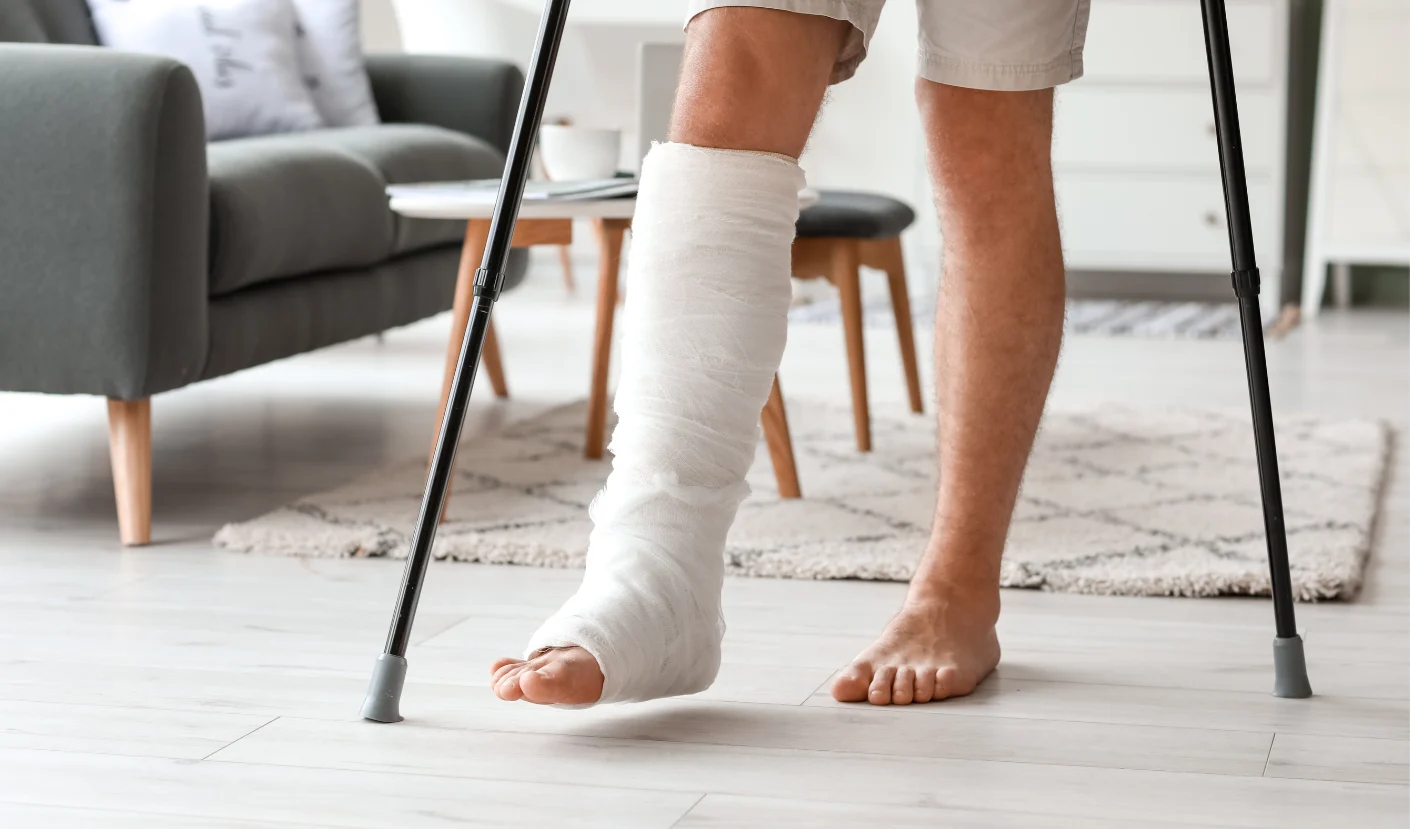
An unexpected accident can affect a person’s health, finances, and ability to manage everyday responsibilities. A simple journey to work or an ordinary visit to a public place can turn into a difficult experience when someone gets hurt. Medical treatment may become necessary, work plans can change, and household expenses may increase. Understanding the different aspects of personal injury can help people prepare for the challenges that follow an accident.
Understanding the Different Effects of an Injury
Personal injuries do not affect everyone in the same way. A minor injury may require only a short period of treatment, while a serious accident can lead to months of rehabilitation. The type of injury, the person’s general condition, and the treatment available can all influence the recovery process.
Physical discomfort is often the most noticeable problem, but other difficulties may develop over time. An injured person might struggle to sleep, travel independently, or complete responsibilities that were previously part of a normal routine. These changes can create frustration, particularly when recovery takes longer than expected.
The emotional impact should also be considered. Some people experience anxiety after a frightening accident, while others feel overwhelmed by financial uncertainty or dependence on family members. Recognizing these challenges can help individuals seek appropriate support instead of trying to manage everything alone.
Common Environments Where Accidents Occur
Roads are among the places where serious injuries can happen. Vehicle collisions may involve cars, motorcycles, bicycles, or pedestrians. Factors such as distracted driving, unsafe speeds, poor visibility, and failure to follow traffic regulations can contribute to accidents.
Buildings and public spaces can also present safety risks. Damaged flooring, unsecured cables, wet entrances, poorly maintained stairs, and inadequate lighting may cause someone to fall. The circumstances surrounding an incident are important when considering whether a property owner or another party may have failed to meet a legal responsibility.
Workplaces present different challenges. Employees may be exposed to unsafe machinery, falling materials, heavy lifting, or unsuitable working conditions. Proper training, equipment inspections, and clear safety procedures can help reduce these risks.
What to Do When an Accident Happens
Immediate safety and medical attention should come first. Anyone with a potentially serious injury should receive an appropriate medical assessment. Some injuries are not immediately obvious, so it is important not to rely entirely on how someone feels in the first few minutes after an incident.
When it is safe and practical, important details about the accident should be recorded. These may include the date, location, time, names of people involved, and a description of what happened. Photographs of the scene, damaged property, or visible hazards may also provide useful information.
If witnesses were present, their contact details may be worth preserving. Official reports and relevant communications should be kept as well. These records can help establish a clearer account of the incident if questions arise later.
Organizing Medical and Financial Information
Medical documentation can play an important role in managing an injury. Patients should keep copies of examination reports, treatment instructions, prescriptions, diagnostic results, and follow-up appointments. These records help track the progress of treatment and provide information for future medical consultations.
Financial documents deserve similar attention. Hospital invoices, medication receipts, rehabilitation costs, and transportation expenses can help show how much the injury has cost. If the person has missed work, employment records and proof of reduced income may also be useful.
Keeping these documents organized from the beginning can save time later. A simple digital folder or physical file can be used to store records by date. This makes it easier to review expenses and provide relevant information when communicating with an insurer or legal professional.
Exploring Compensation and Legal Support
Depending on the facts of an accident, an injured person may have grounds to explore an insurance claim or personal injury case. Potentially relevant losses can include medical expenses, lost earnings, rehabilitation costs, and other damages recognized under applicable law.
However, an accident does not automatically mean that another person or organization is legally responsible. Responsibility may depend on the actions of the parties involved, the available evidence, and the legal duties that applied in the situation. Insurance coverage and reporting requirements can also influence the available options.
A qualified personal injury lawyer can review the circumstances and explain possible next steps. Legal advice may be particularly useful when an insurer challenges a claim, several parties are involved, or a settlement offer is presented. Since legal deadlines and procedures vary by jurisdiction, obtaining advice relevant to the location of the incident is important.
Making the Recovery Process More Manageable
Recovering from an injury often requires changes to daily routines. Someone who cannot walk comfortably may need temporary assistance with shopping, cooking, or transportation. A person with an arm injury may require adjustments to their workspace or household arrangements.
Following a treatment plan and attending recommended appointments can help keep recovery on track. Healthcare providers can advise when it is appropriate to resume particular activities. Returning to demanding tasks too early may create additional problems, so recovery should be approached according to professional guidance.
Emotional support can make a meaningful difference as well. Friends and family members can help with practical responsibilities, while professional counseling may be useful when anxiety or stress becomes difficult to manage. Progress should be measured realistically because different injuries have different recovery timelines.
Creating Safer Habits for the Future
Preventing future accidents requires attention to everyday surroundings. Drivers can reduce risks by avoiding distractions, following traffic rules, and maintaining their vehicles. Pedestrians should remain alert around traffic and use safe crossing areas whenever possible.
Property owners can inspect walkways, staircases, entrances, and parking areas to identify hazards. Employers can improve workplace safety through regular maintenance, employee training, and suitable protective equipment.
Personal injury can create uncertainty, but taking practical steps can make the situation easier to handle. Medical attention, organized records, financial awareness, and appropriate legal guidance all help individuals understand their options. By focusing on recovery and learning from the circumstances of an accident, people can work toward restoring their routines and protecting their future well-being.
Leave a Reply